 Getting Started
Building Your First DIY Toolkit: What You Actually Need
Building a toolkit can feel intimidating, especially when you see enormous collections in shops. The truth is, you don't need hundreds of tools to tackle most household tasks. Start with the essentials, then add specialised tools as specific projects demand them.
The Absolute Basics
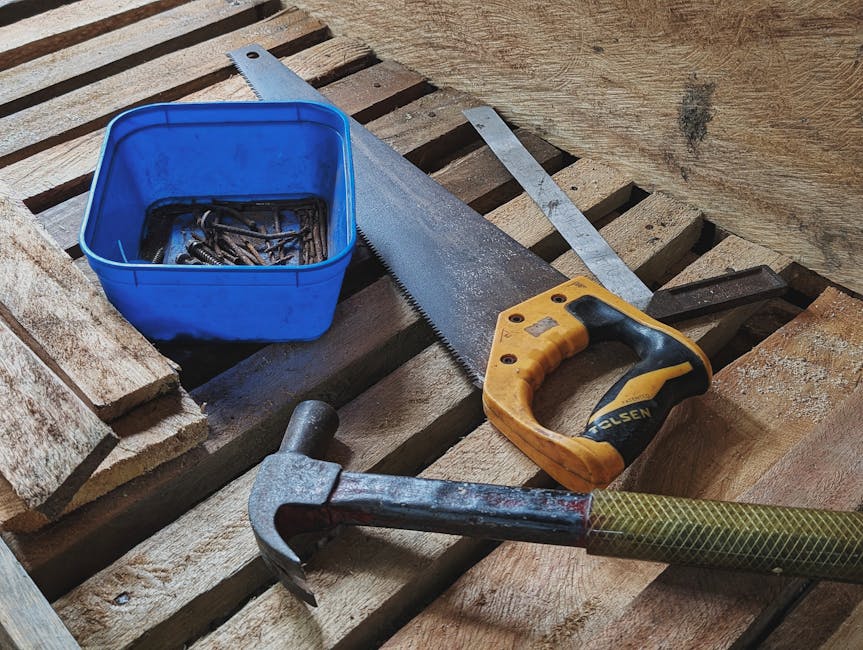
A 16-ounce claw hammer handles general nailing and demolition work. A cordless drill-driver is genuinely transformative—it drills holes and drives screws far faster than manual tools. A tape measure at least 5 metres long covers most measuring tasks. A spirit level ensures shelves hang straight and surfaces are even. A set of screwdrivers (both Phillips and flathead) covers basic fastening needs. A handsaw or small circular saw lets you cut wood. A set of spanners or adjustable wrench handles plumbing and general fixing work.
Tools That Multiply Your Capability
A jigsaw cuts curved lines and irregular shapes that a handsaw can't manage. Pliers—both standard and needle-nose—grip, bend, and cut wire. An adjustable wrench handles various bolt sizes. A torpedo level is more compact than a standard level for tight spaces. A utility knife with replaceable blades cuts drywall, carpet, and countless materials.
Nice to Have but Not Essential
A belt sander speeds up sanding work, but hand sanding works fine for small projects. A stud finder locates wall studs for secure mounting. An impact driver handles tough fastening jobs more easily than a regular drill. A laser level is helpful for large projects but unnecessary for basic work.
Smart Shopping Tips
- Buy quality basics: Cheap tools frustrate you and wear out quickly. Invest in decent claw hammers, drills, and screwdrivers.
- Consider starter sets: Tool sets often offer better value than buying individually, though you'll get some tools you don't need.
- Rent specialised tools: For one-off projects, renting a power tool costs far less than buying.
- Borrow before buying: Ask friends if you can borrow tools before committing to purchase.
- Check reviews: Online reviews reveal which tools are reliable and which disappoint users.
Start with the basics and use them for several projects. You'll quickly discover which tools you use repeatedly and which you never touch. This experience guides future purchases far better than shopping lists. Your toolkit evolves with your skills and projects, becoming a personalised collection perfectly suited to your needs.