 Safety
Essential Safety Tips When Using Power Tools
Power tools make DIY projects faster and easier, but they demand respect. Every year, thousands of people suffer preventable injuries from power tool accidents. Most of these incidents happen when users skip safety steps or rush through jobs. Developing safe habits now protects you from serious harm.
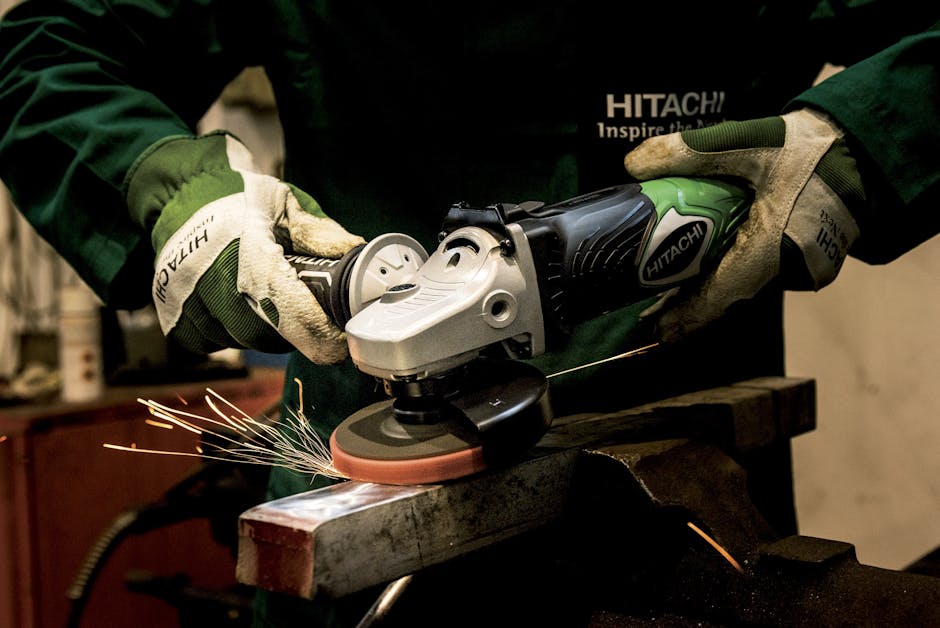
Personal Protective Equipment (PPE) is non-negotiable. Safety glasses protect your eyes from flying debris—even small splinters can cause permanent damage. A dust mask or respirator prevents you from inhaling harmful particles, especially when cutting or sanding. Hearing protection becomes essential with loud tools like circular saws and angle grinders. Heavy-duty gloves protect your hands, but avoid loose clothing that could get caught in rotating parts.
Before you start any project, read the manual. It sounds obvious, but many people skip this step. Manuals contain crucial information about proper operation, maintenance, and safety features specific to your tool.
Inspect your tools regularly. Check power cords for damage, ensure guards are properly fitted, and verify that all moving parts function smoothly. A damaged tool is a dangerous tool. If something seems wrong, don't use it—get it repaired or replaced.
Set up your workspace properly. Good lighting lets you see what you're doing. A clean, organised work area prevents trips and accidents. Secure your workpiece firmly so it won't move unexpectedly. Never hold something in your hand while cutting or drilling—use clamps or a vice instead.
Focus completely on your task. Distractions cause accidents. Put your phone away, ensure you're well-rested, and never operate power tools when tired or under the influence of alcohol or medication. If someone interrupts you, pause your work and turn off the tool.
Respect electricity. Never use power tools in wet conditions or with wet hands. Keep cords away from sharp edges and heat sources. Use a residual current device (RCD) adapter on outdoor sockets to prevent electric shock.
Know your tool's limits. Don't force a tool to do something it's not designed for. If it's struggling, something is wrong. Stop, assess, and adjust your approach.
Finally, keep a first aid kit nearby and know basic first aid. Most importantly, develop a safety mindset. Taking an extra thirty seconds to put on safety glasses or secure your workpiece properly could save you from serious injury. Safety isn't boring—it's essential.