 Tools & Equipment
How to Choose the Right Hammer for Your DIY Project
When you're standing in the tool aisle, the sheer variety of hammers can feel overwhelming. But choosing the right one doesn't have to be complicated. The key is understanding what each type does and matching it to your project.
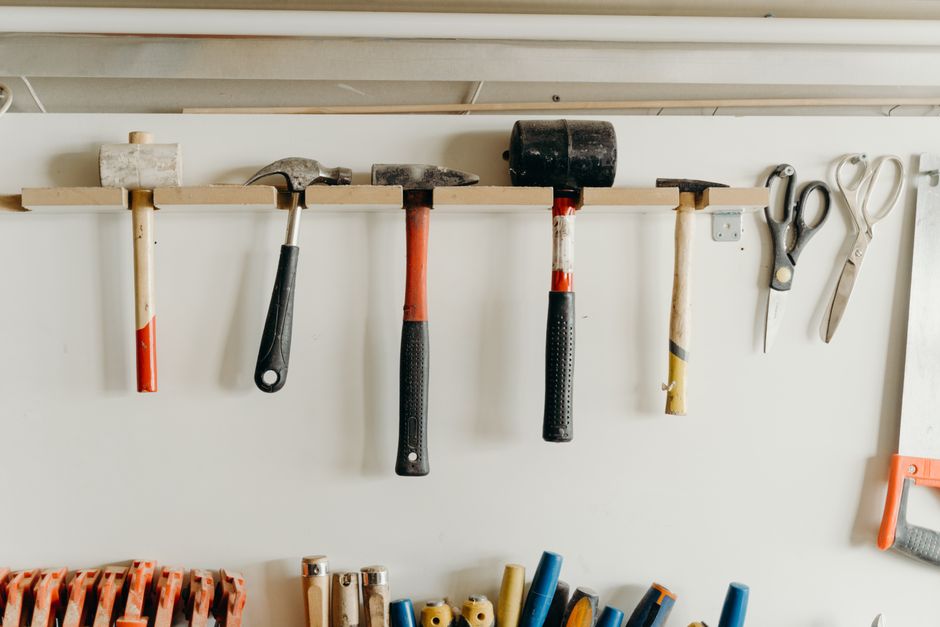
The Claw Hammer is the most common choice for general DIY work. It's perfect for driving nails and removing them thanks to the curved claw on the back. Most claw hammers weigh between 16 and 20 ounces, which gives you enough force without causing fatigue during longer sessions. If you're building shelves, fixing fences, or hanging pictures, a claw hammer is your go-to tool.
Ball Peen Hammers are specialist tools designed for metalwork and shaping metal. Unless you're doing jewellery making or metalworking projects, you won't need one of these.
Rubber Mallets are invaluable when you need to strike something without leaving marks. They're ideal for tapping tiles into place, adjusting wooden joints, or working with delicate surfaces. Woodworkers and tilers swear by them.
Sledgehammers are the heavy-duty option for demolition work. They're not suitable for precision tasks, but when you need to break through walls or remove old concrete, nothing else compares. Always use proper safety equipment when working with a sledgehammer.
Consider these factors when making your choice:
- Weight: Heavier hammers require less effort but cause more fatigue. Lighter ones are easier to control but require more swings.
- Handle material: Wooden handles offer traditional feel and shock absorption. Fibreglass is durable and low-maintenance. Steel handles are virtually indestructible but transmit more vibration.
- Head quality: Look for forged steel heads rather than cast. They hold up better to repeated use and won't chip or crack as easily.
- Grip comfort: You'll be holding this tool for extended periods, so ergonomics matter. A comfortable grip reduces hand fatigue and improves control.
Start with a quality 16-ounce claw hammer if you're building a basic DIY toolkit. It handles most household tasks efficiently. As you take on more specialised projects, you can add other types to your collection. Investing in decent tools makes projects more enjoyable and produces better results.