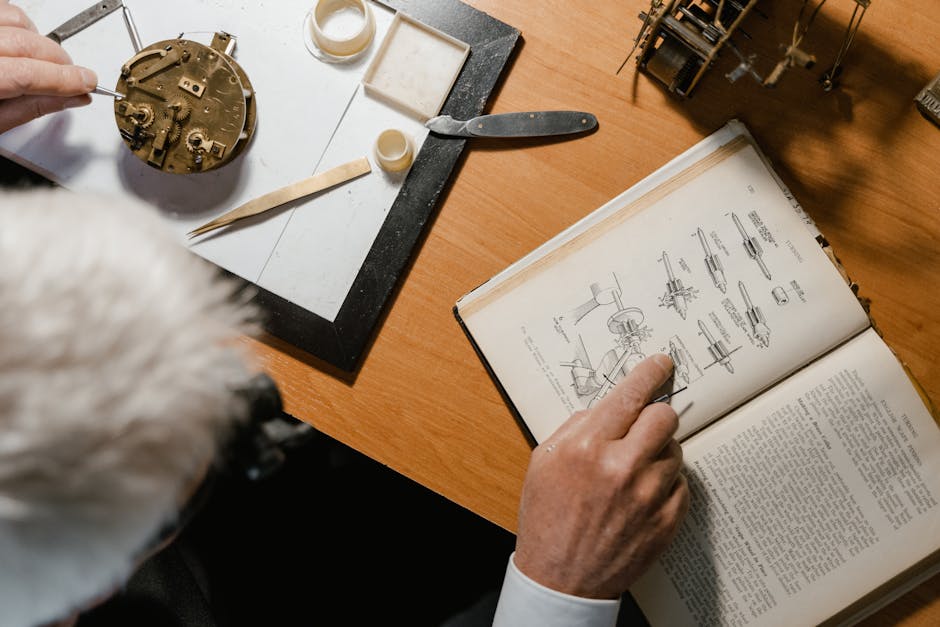
 Restoration
Restoring Old Tools: When It's Worth the Effort
Discovering old tools in your shed, loft, or at a car boot sale raises an obvious question: are they worth restoring? The answer depends on the tool's quality, condition, and your intended use.
Why Restore Old Tools?
Quality hand tools from decades past often outperform modern equivalents. Vintage chisels, planes, and saws were frequently made with superior steel and craftsmanship. Restoring them can give you tools that work better than new ones costing three times as much. Additionally, using vintage tools connects you to traditional craftsmanship and creates a more sustainable approach than constantly replacing cheap tools.
Which Tools Are Worth Restoring?
Solid hand tools with good bones—chisels, planes, saws, wrenches, and clamps—usually respond well to restoration. Look for tools made by reputable manufacturers. British and American brands like Marples, Stanley, and Record made excellent tools that still work superbly after decades. Avoid tools that are cracked, severely bent, or broken, unless you're experienced at repairs.
The Restoration Process
Start by assessing the damage. Surface rust is cosmetic and easily removed with steel wool, vinegar, or commercial rust removers. Deep pitting weakens the tool and may make restoration impractical. For wooden handles, assess whether they're loose, cracked, or simply dirty. Loose handles can be re-glued; cracked ones may need replacing.
Clean the tool thoroughly. Remove paint, grease, and rust. For hand tools, vinegar and steel wool work well. For power tools, use appropriate cleaning products. Dry everything completely to prevent new rust forming.
Sharpen cutting tools like chisels, planes, and saws. This is crucial—a dull vintage tool performs worse than a new one. Invest in a sharpening stone or take tools to a professional sharpener.
Replace or repair handles as needed. Wooden handles can be sanded smooth and finished with linseed oil. Loose handles can be removed, cleaned, and re-glued. If a handle is beyond saving, replacement handles are available for many vintage tools.
Apply protective finish. A thin coat of machine oil protects metal from rust. Wooden handles benefit from linseed oil or modern wood finishes.
When to Give Up
If restoration costs exceed the tool's value, it's not worth pursuing unless you're doing it for sentimental reasons. Severely damaged tools, broken power tools, and tools from unknown manufacturers typically aren't worth the effort.
The Satisfaction Factor
Beyond practical considerations, restoring tools offers genuine satisfaction. You're rescuing quality items from landfill, learning traditional skills, and ending up with tools you understand intimately. That connection makes using them more enjoyable. Start with a simple project—restoring a single plane or saw—and you'll understand why tool restoration enthusiasts find it so rewarding.